


Habit Doom vs Forest: Trees or Locks?

 X
X LinkedIn
The tree died and you opened Instagram anyway
You know the feeling. You plant a tree in Forest, settle in to study, and forty minutes later you have switched to Instagram on reflex. The little sapling wilts. You feel a flicker of guilt, then you keep scrolling. The tree was supposed to stop you. It did not.
That is not a failure of Forest. It is a design choice. Forest is a willpower tool, and willpower is exactly the thing that runs out at 11pm during finals week. For a lot of people, the gentle nudge of a dying tree is enough. For others, it stopped being enough a long time ago.
This is an honest comparison of Forest and Habit Doom, written by the people who make Habit Doom. The short version: these apps sit at opposite ends of the enforcement spectrum, and the right one depends entirely on how much willpower the moment actually has.
What Forest is, and what it is genuinely great at
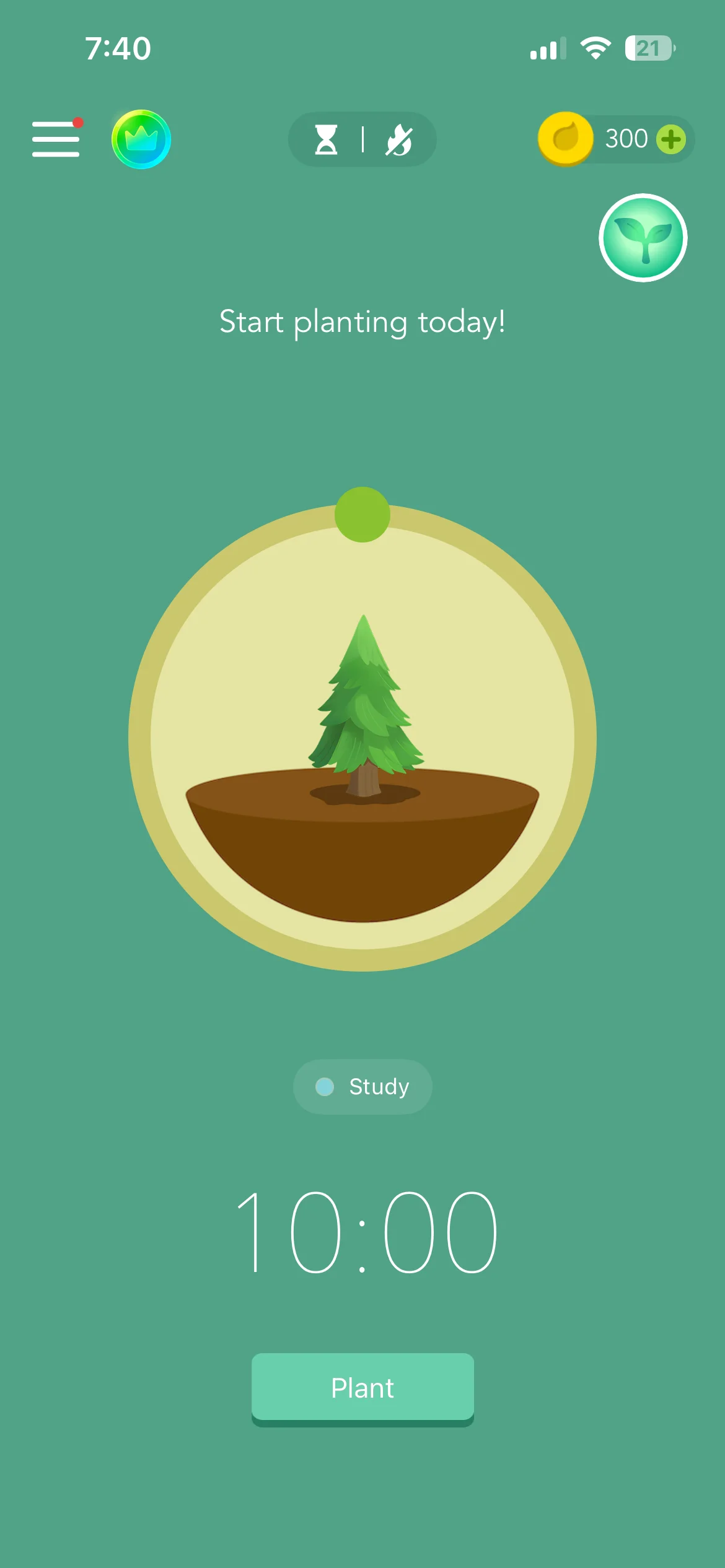
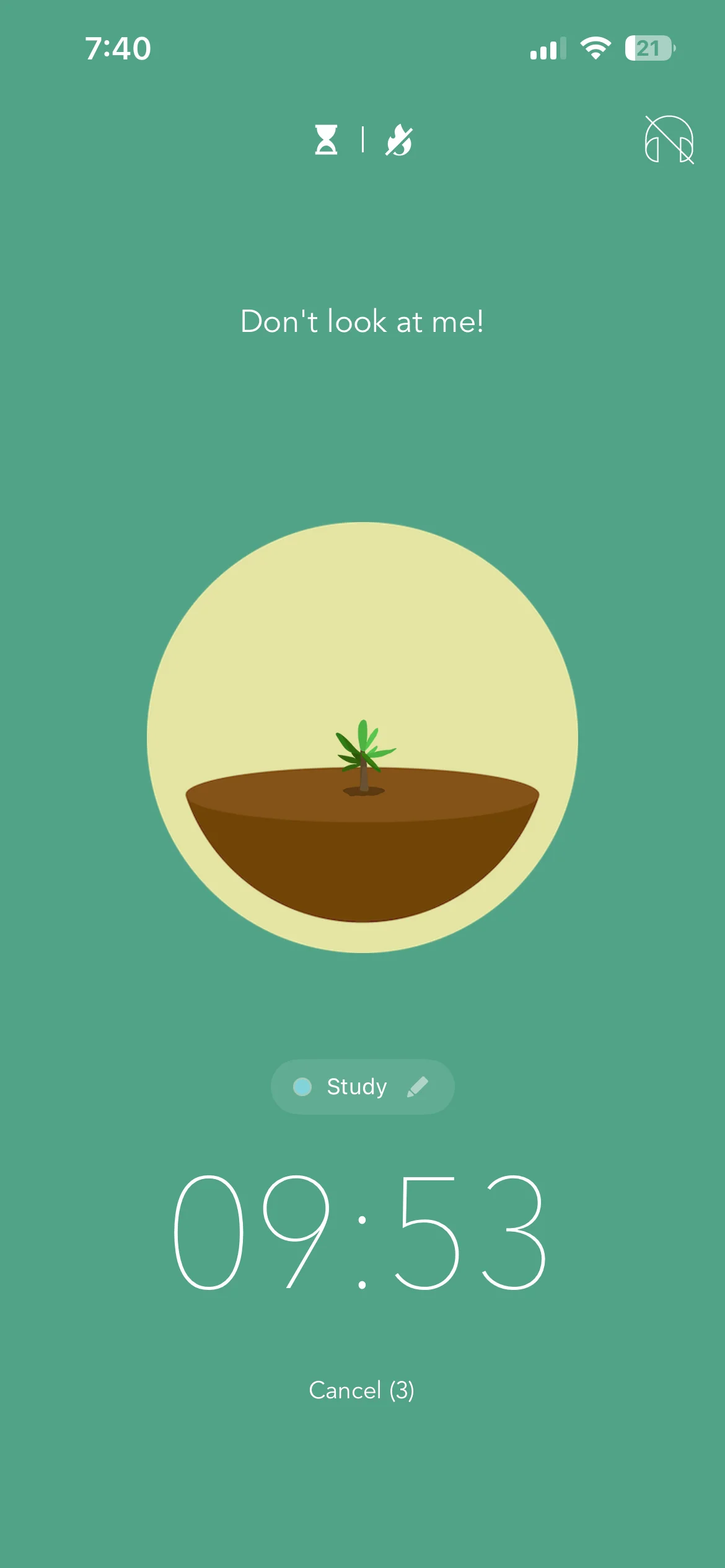
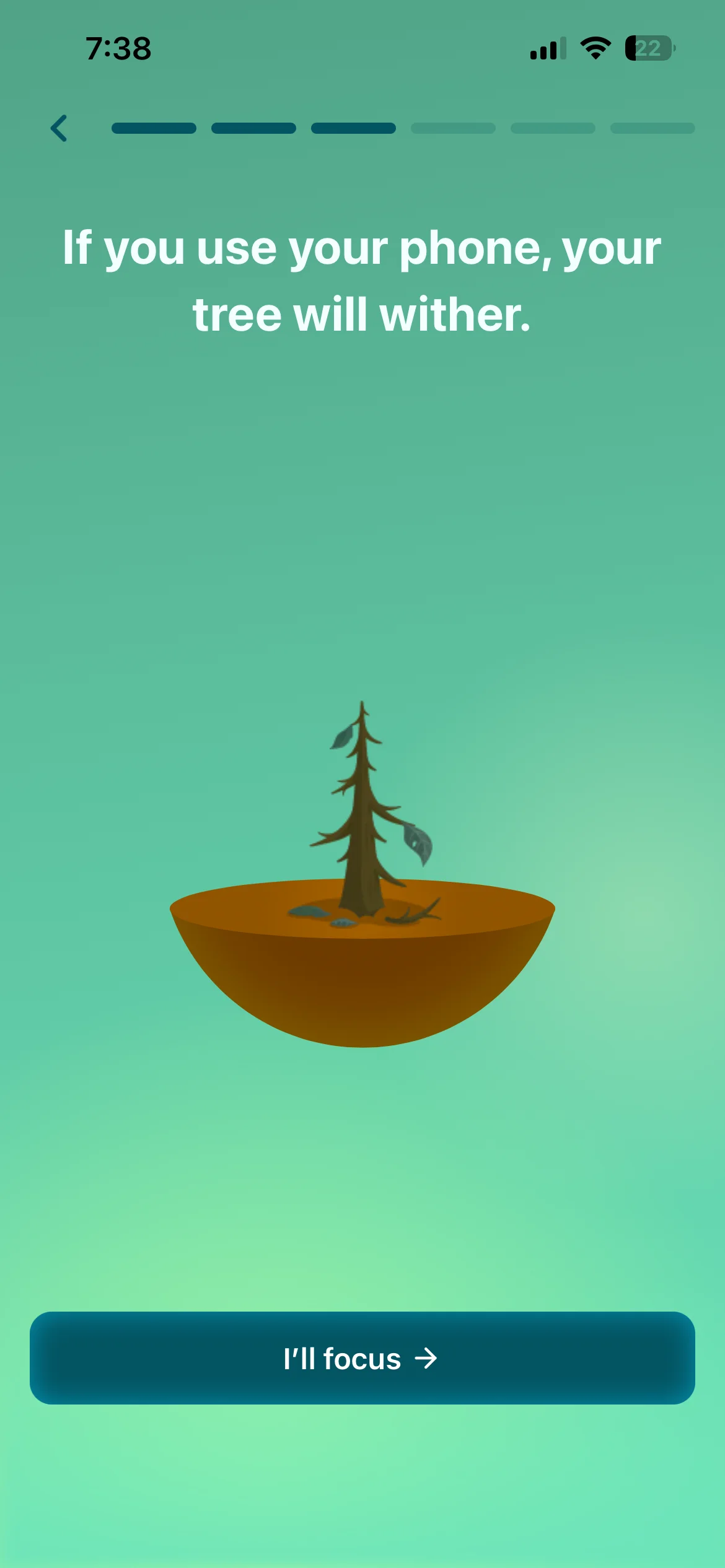
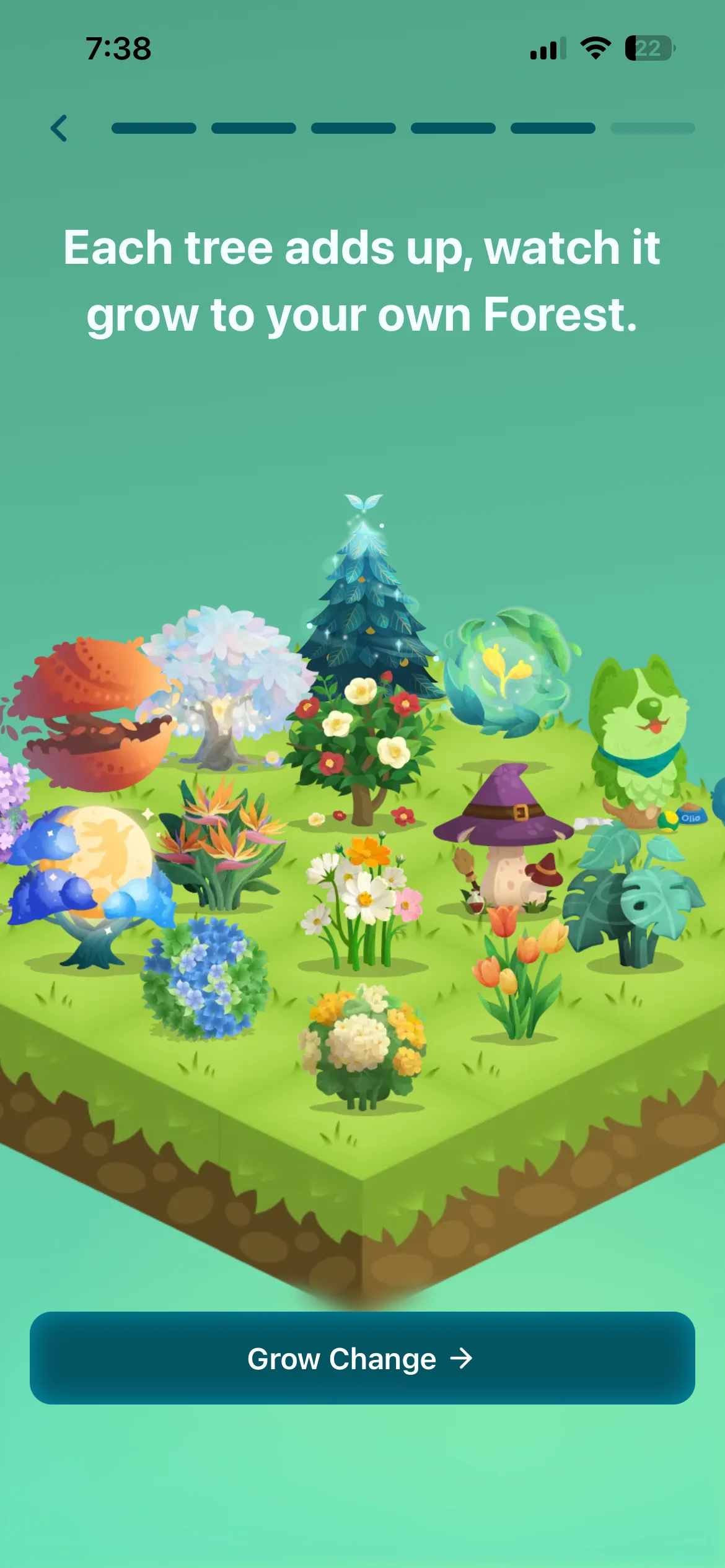
Forest is one of the best-loved focus apps on the planet, trusted by more than 60 million users since 2014 according to its website. The mechanic is simple and charming. You set a timer between 10 and 120 minutes, you plant a virtual tree, and the tree grows while you stay in the app. If you leave to open something distracting, the tree dies. Stick with it and you build a whole forest of completed sessions, with the dead trees left in as an honest record of the sessions you abandoned.
The part people love most is real. Through a partnership with the nonprofit Trees for the Future, Forest funds actual tree planting, and the app reports it has contributed to planting over two million real trees, with Forest covering the cost from app revenue rather than charging you directly. You spend earned coins to plant up to five real trees per account. Focusing on your phone and quietly funding reforestation in the process is a genuinely lovely loop.
Here is the honest assessment: if you respond to gamification, Forest is one of the best focus apps for students there is. The growing tree, the coins, the seasonal species, the visible forest of your effort. It turns sitting down to study into a small ritual you might actually look forward to. That is not a small thing. Motivation that feels good is motivation you repeat.
Forest pricing
Forest used to be the rare focus app you bought once: $3.99 on iOS, no subscription. That changed in late 2025, when the developer discontinued Forest Pro and switched to a free download with an optional Forest Plus subscription, per its App Store listing. The core focus timer is still free and still has no expiration. Plus layers on seasonal tree species, fuller soundscapes, focus analytics, and real-tree planting, and runs about $5.99 a month or roughly $36 a year on the US store. If you bought Pro before it was retired, you keep those features at no extra cost. On Android it is free with ads. Prices vary by region and change over time, so confirm in the store before you buy.
Where Forest hits its ceiling
Forest is a session timer, not a blocker, and that distinction is the whole story.
Nothing on your phone physically stops you from leaving. When the urge hits, you can swipe over to TikTok in a second. The tree dies, and that is the entire consequence. For people with strong intent on a good day, the emotional stake works beautifully. For people fighting a genuine compulsion, an app whose only enforcement is "you will feel a little bad" is asking willpower to do a job willpower keeps failing at.
It is also voluntary by design. You have to choose to plant a tree. On the days you most need focus, the days you are already deep in a scroll spiral, you are exactly the least likely to open Forest and start a session at all.
What Habit Doom does differently
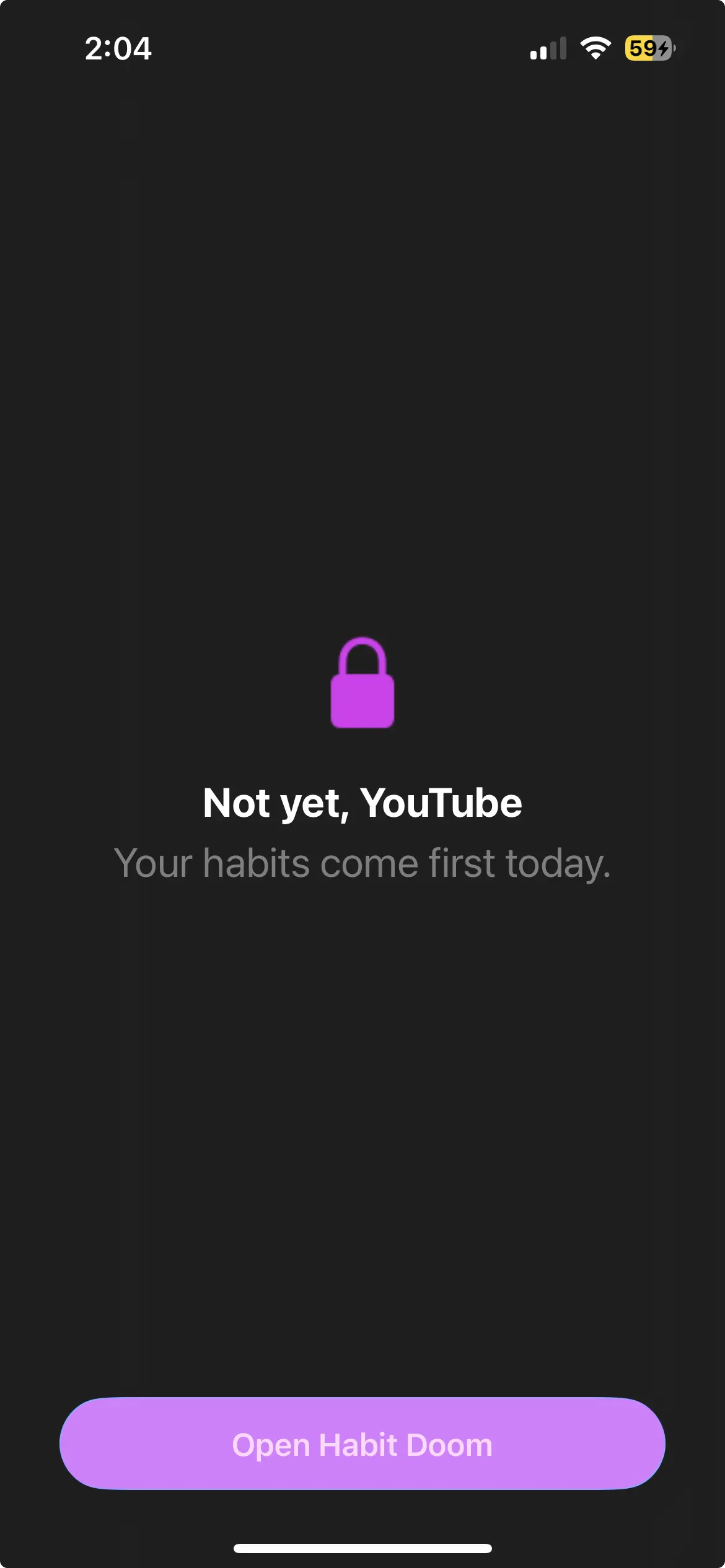
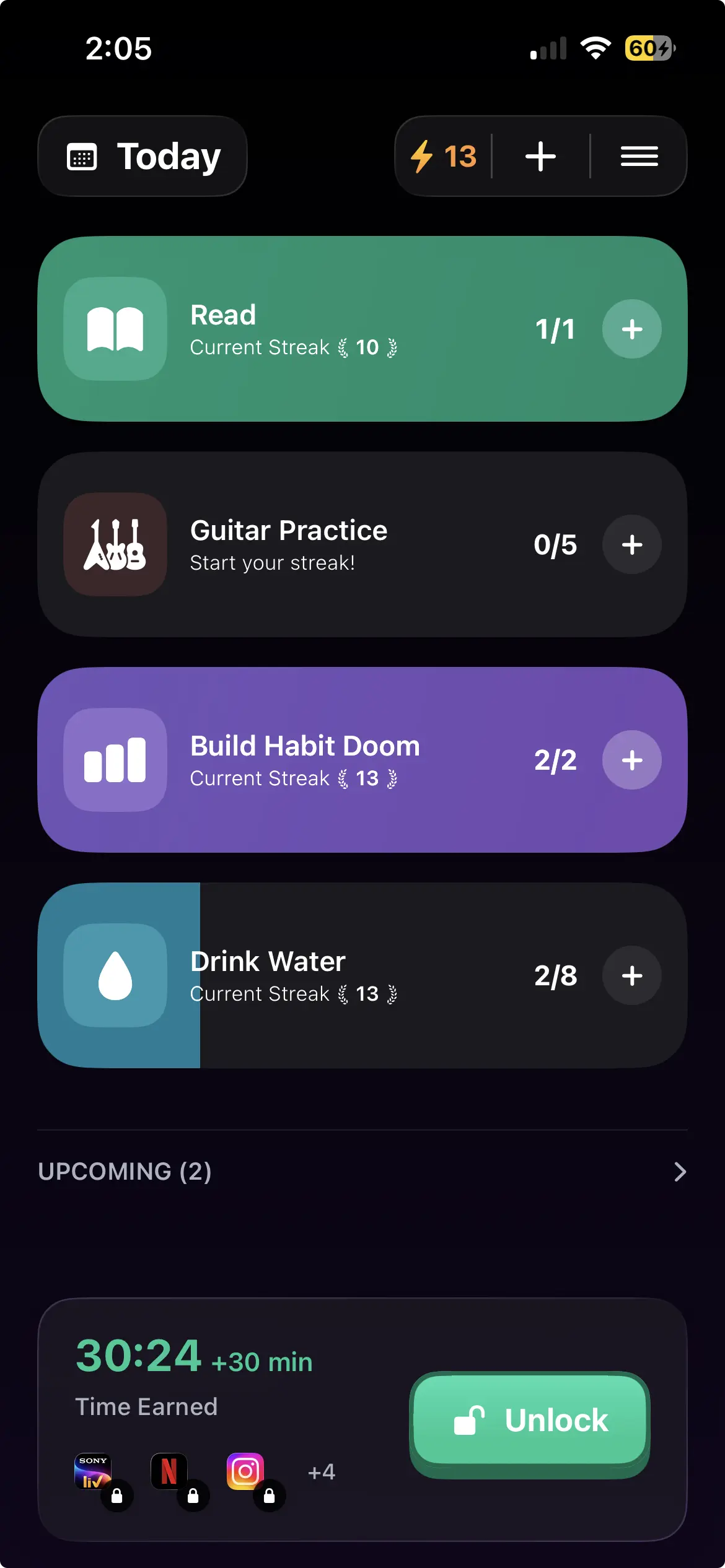
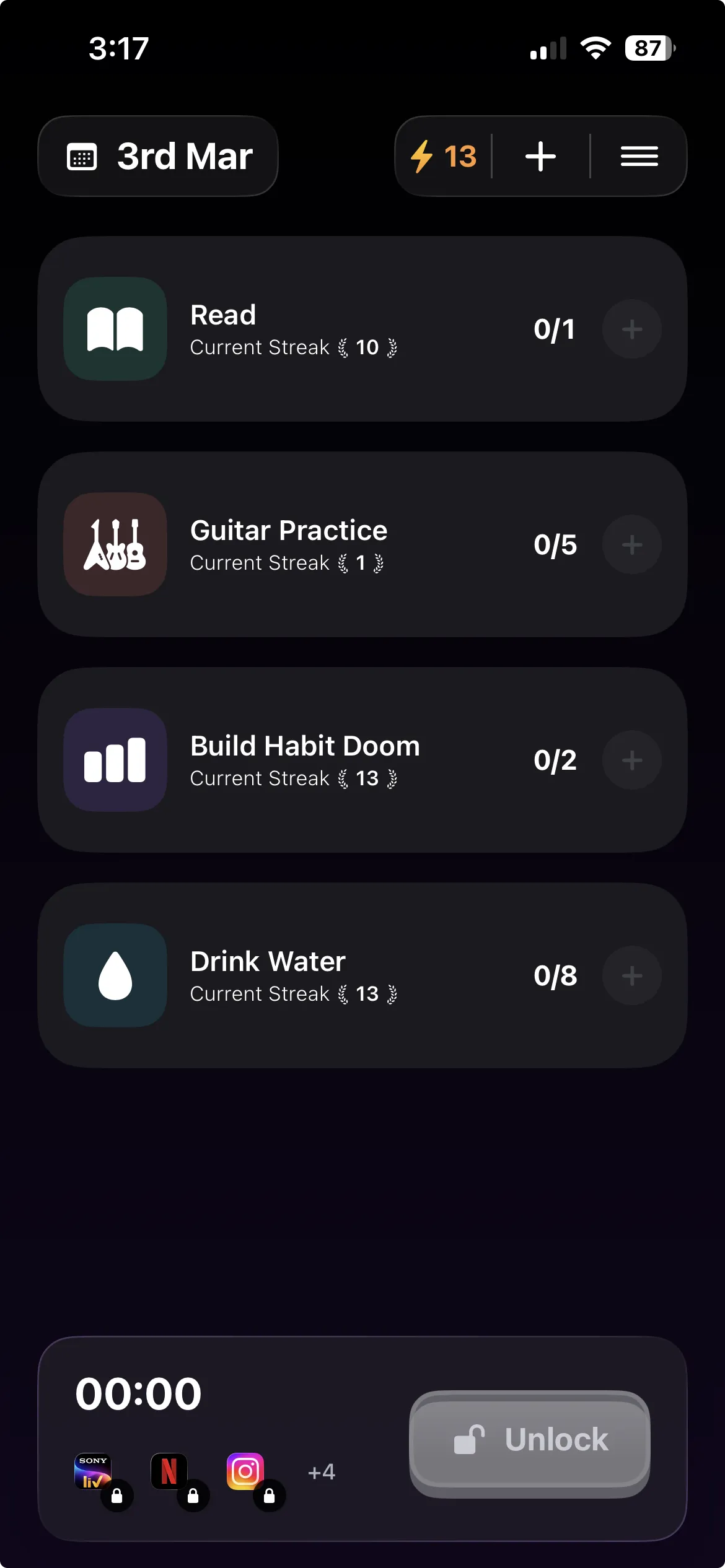
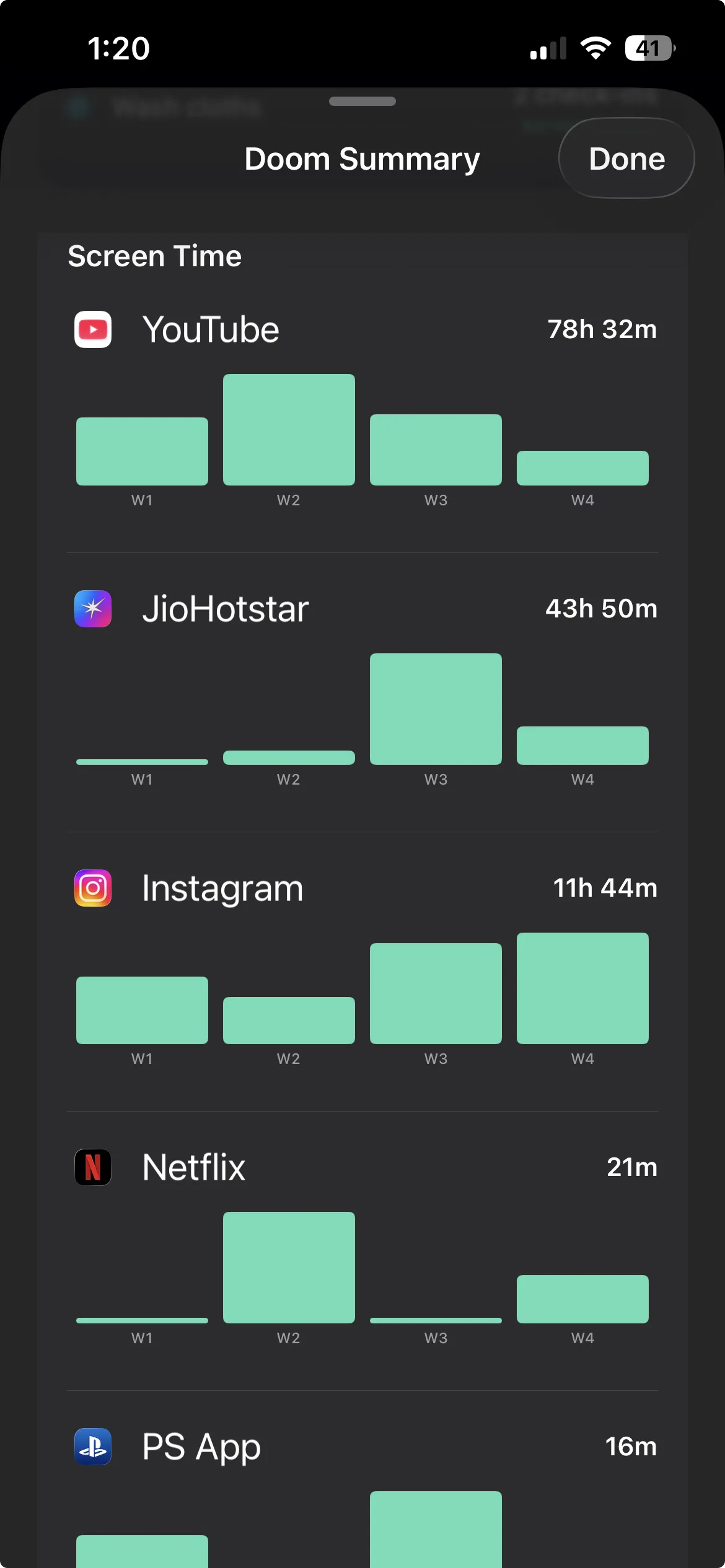
Habit Doom starts from the opposite assumption. On your worst days willpower is gone, so the system should not lean on it.
Instead of a timer you opt into, Habit Doom locks your chosen distracting apps at the iOS system level and keeps them locked until your daily habits are done. The blocking runs through Apple's ManagedSettings layer, the same framework Screen Time uses, so a locked app simply does not open. There is no "are you sure" to tap through, and no session to forget to start. The lock is the default state of your morning until you earn your way out by doing what you said you would do.
The piece that makes this hold up is tamper resistance. Habit Doom's enforcement is designed to survive a force-quit and even an uninstall, so the usual escape hatches do not work. And Anti-Cheat photo verification, an on-device CLIP model that confirms you actually did the habit (free for everyone, not a paywalled extra), means you cannot just tap "done" on a habit you skipped to free your apps. None of those photos leave your phone.
That is the trade. Forest gives you a delightful nudge you can always override. Habit Doom gives you a hard lock you genuinely cannot, which is the point if overriding is the exact thing you keep doing.
Habit Doom pricing
Habit Doom is free to download and use. The free tier covers up to 3 habits, app blocking, custom alarms, streaks, and Anti-Cheat photo verification, with no ads. Pro is $4.99/month, $19.99/year (with a 7-day free trial), or $29.99 lifetime, and it adds unlimited habits, Hard Mode, and advanced analytics. Habit Doom is on iPhone and Android.
Habit Doom vs Forest: the comparison table
| Forest | Habit Doom | |
|---|---|---|
| Core idea | Plant a tree, stay focused, the tree dies if you leave | Apps stay locked until your habits are done |
| Enforcement | Willpower (the tree just dies) | System-level lock via iOS ManagedSettings |
| Actually blocks apps? | No, it is a focus timer | Yes, a hard lock |
| Can you tap through it? | Yes, instantly | No, and it survives force-quit and uninstall |
| Voluntary or default? | Voluntary (you start each session) | Default (locked until habits complete) |
| Habit tracking | No (it tracks focus sessions) | Yes, core feature |
| Verification | None (self-directed) | Anti-Cheat on-device photo check, free |
| Gamification | Strong (trees, coins, real-tree planting) | Light (streaks) |
| Real-world impact | Funds real trees via Trees for the Future | None |
| Price | Free on iOS, Plus from ~$5.99/mo; free with ads on Android | Free tier, Pro from $4.99/mo or $29.99 lifetime |
| Platforms | iOS, Android, more | iOS, Android |
| Best for | People motivated by gentle gamification | People who keep beating their own timers |
So which one should you actually use?
This is genuinely not a "ours wins" situation. They are different tools for different versions of the same person.
Choose Forest if gamification works on you. If a growing tree, a forest of completed sessions, and the knowledge that your focus is funding real reforestation gets you to sit down and study, Forest is one of the best focus apps for students, and the core timer is free on iOS. Some of the most focused people we know swear by it. If the nudge works, you do not need a lock, and a lock would just be friction.
Choose Habit Doom if you keep beating your own timer. If you have planted a hundred trees and watched a hundred of them die while you scrolled anyway, the problem is not your choice of focus app. The problem is that a willpower tool is being asked to do a job willpower cannot do for you right now. A system-level lock that you cannot tap through, force-quit, or uninstall your way out of removes the decision from the moment you are weakest. That is what Habit Doom is for.
There is no shame in either answer. Plenty of people start with Forest, love the ritual, and stay for years. Plenty of others start with Forest, notice the tree stopped meaning anything, and move to a hard lock. Knowing which person you are today is the whole decision.
If you are still mapping the landscape, our roundup of the best app blockers for students covers the wider field, and how to focus while studying goes deeper on the techniques that work regardless of which app you land on.
Frequently Asked Questions
Keep Reading
Try Habit Doom
Lock your distracting apps. Complete your habits. Earn your screen time. It takes 30 seconds to set up.
Download Free