


Habit Doom vs Streaks: Honest Head-to-Head (2026)

 X
X LinkedIn
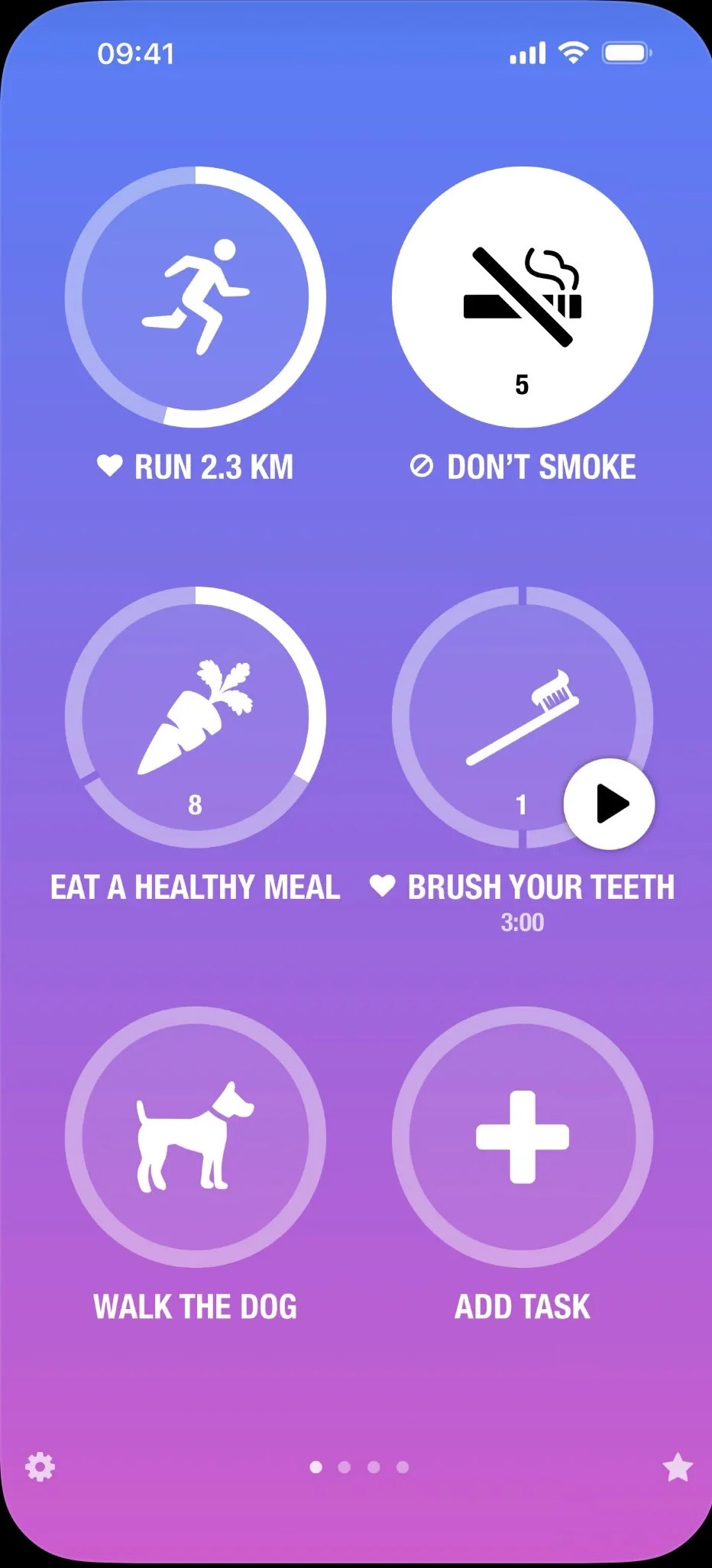
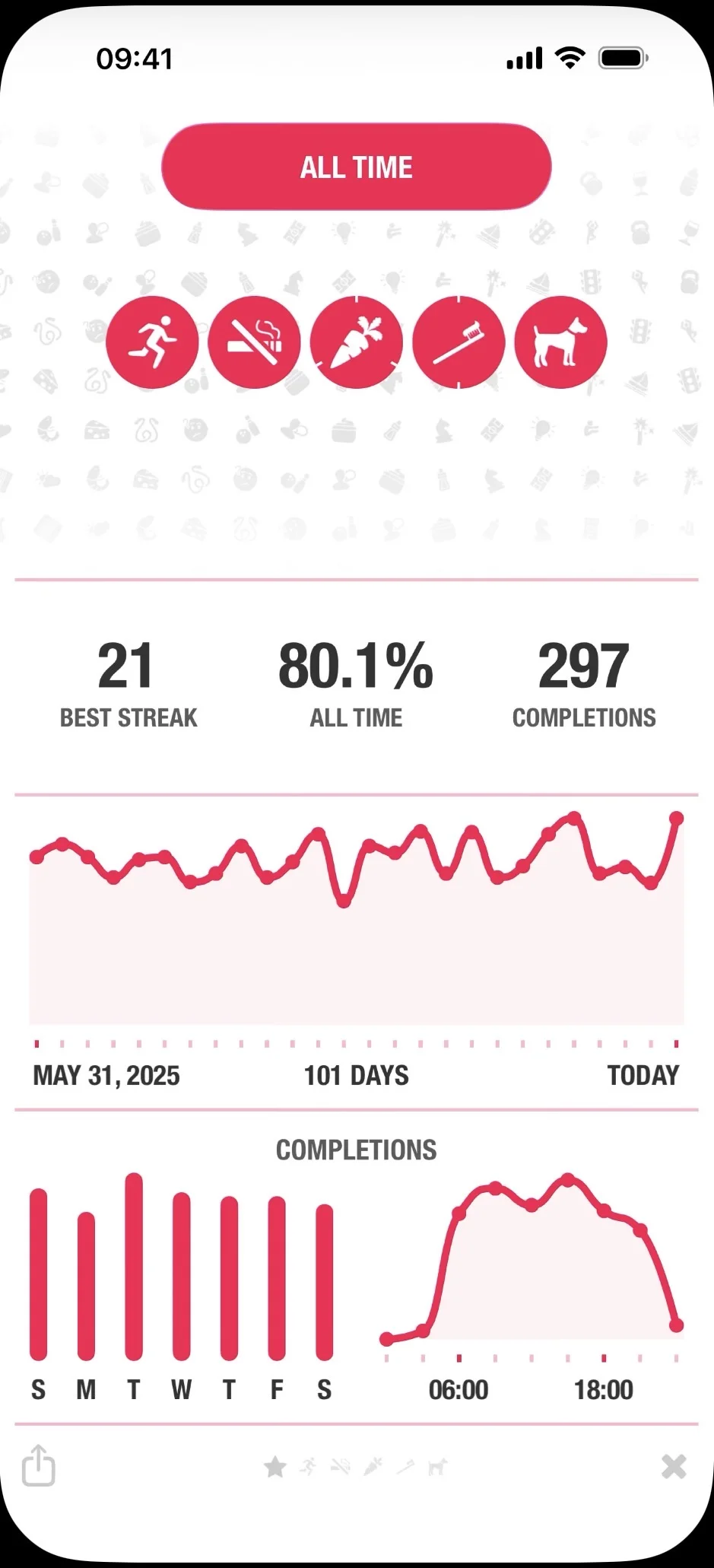
Streaks earned its Apple Design Award. The unbroken visual chain is the most polished habit-tracker visualization in the App Store. The Apple Watch complication is one of the best in the category. The twelve-habit cap is a thoughtful constraint. At $5.99 one-time, the price is fair forever.
Habit Doom does not compete on visual polish or design heritage. It competes on a different axis: the tracker enforces what it tracks. Selected iOS apps stay locked until daily habits are checked off. Force-quit Habit Doom, the lock holds. Delete it, still holds. For users whose habit failure mode is "I checked Instagram instead of doing the habit", that changes the equation. For users with strong existing discipline who just want the logbook, Streaks remains the strongest pick.
This is the honest head-to-head.
The structural difference
At a glance the two apps look similar. Both are habit trackers, both log daily completion, and both have widgets, Apple Watch support, and HealthKit integration. What separates them is what happens the moment you skip a habit.
In Streaks, skip a habit and the chain resets. The next morning you can choose to restart or not, and the cost of skipping is the visual loss of the chain. Plenty of people find that motivating. Plenty of others abandon the app after the first reset, because starting over from zero feels worse than the value of the habit itself. That is streak anxiety, covered in the streak anxiety habit trackers breakdown.
In Habit Doom, skip a habit and the apps you selected stay locked. Instagram, TikTok, YouTube, X, or whatever you picked will not open until the habits are done. The next day you get the same fresh chance to check them off, and missing yesterday does not compound into anything. The lock pushes you toward the check-off without wiping out accumulated progress.
That is the whole structural difference. Streaks uses visual loss as the motivator; Habit Doom uses iOS-level app access. Both are real mechanisms, and they suit different people.
Side-by-side comparison
| Feature | Streaks | Habit Doom |
|---|---|---|
| Price | $5.99 one-time | Free + $4.99/mo or $29.99 lifetime |
| Free tier | No (entry is $5.99) | Yes (full habit tracking + app blocking) |
| Habit cap | 12 maximum | Unlimited |
| App blocking | None | iOS ManagedSettings, system-level |
| AI photo verification (Anti-Cheat) | None | Yes (free) |
| Streak mechanic | Visual chain, resets on miss | Daily reset, no compound penalty |
| Apple Watch | Strong complication | Standard support |
| HealthKit integration | Yes | Yes |
| Widgets | Polished, multiple sizes | Standard support |
| Founded | 2014 | 2025 |
Streaks wins on age, design polish, and one-time pricing. Habit Doom wins on free tier depth, no habit cap, and the iOS-level enforcement that Streaks structurally cannot provide.
One more structural difference shipped in June 2026: AI photo verification, called Anti-Cheat. Check off a habit and the camera opens for a real-time photo. An AI model running entirely on the iPhone confirms the photo matches the habit, usually in under half a second, and the photos never leave the device. Streaks, like every other pure tracker, takes your check-off on your word alone. If you are the type to quietly tap the box without doing the thing, the verified check-in closes that gap. It is free for everyone, opt-in per habit, and detailed in the habit tracker you cannot cheat breakdown.
When to pick Streaks
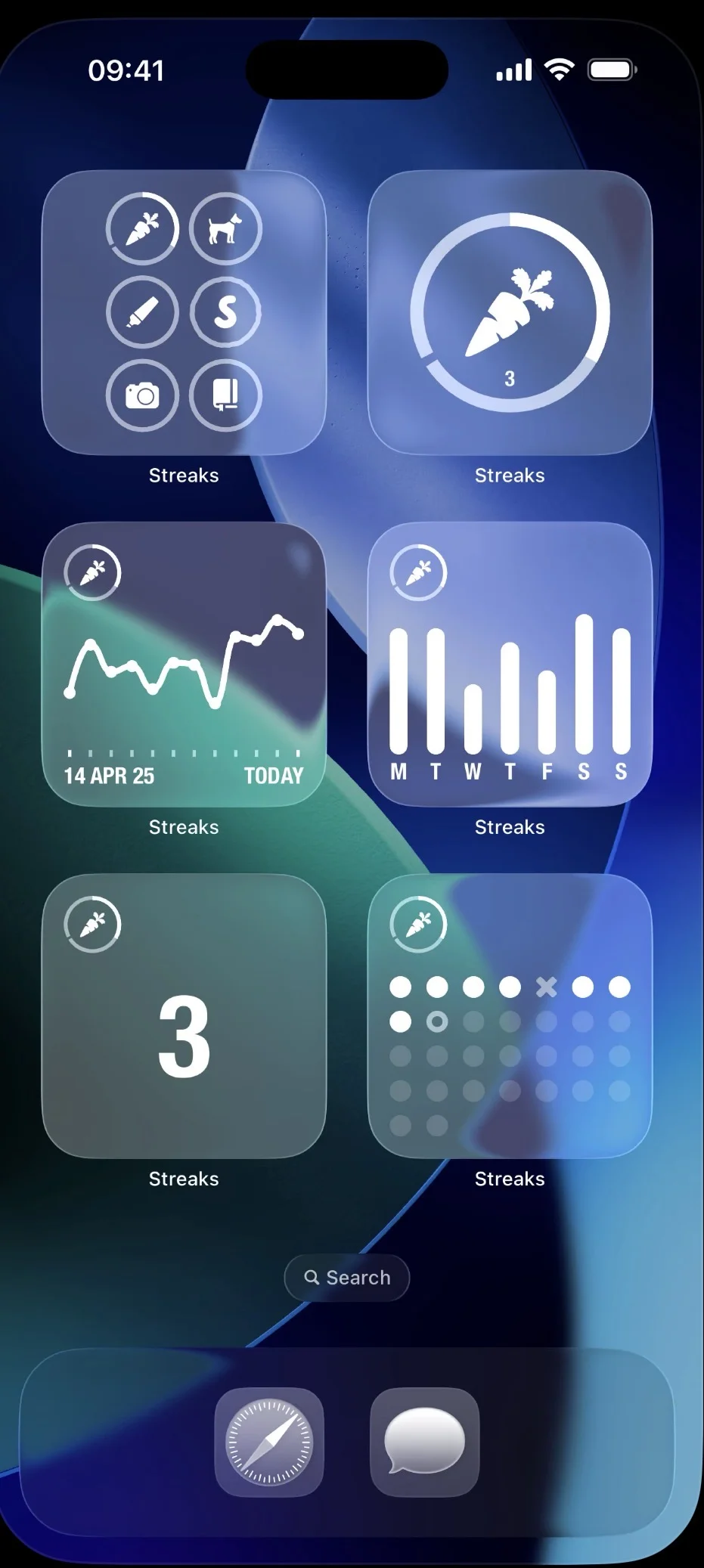
Streaks is the right choice in a few clear situations.
You already have self-direction. Streaks does not enforce anything, so you have to do the habits with or without the chain. If you already do most of them most days, Streaks is a beautiful record of behavior that would happen anyway.
You want 12 or fewer concurrent habits. The cap is deliberate, and it forces you to choose. If you genuinely value that constraint, Streaks beats apps with unlimited habit slots.
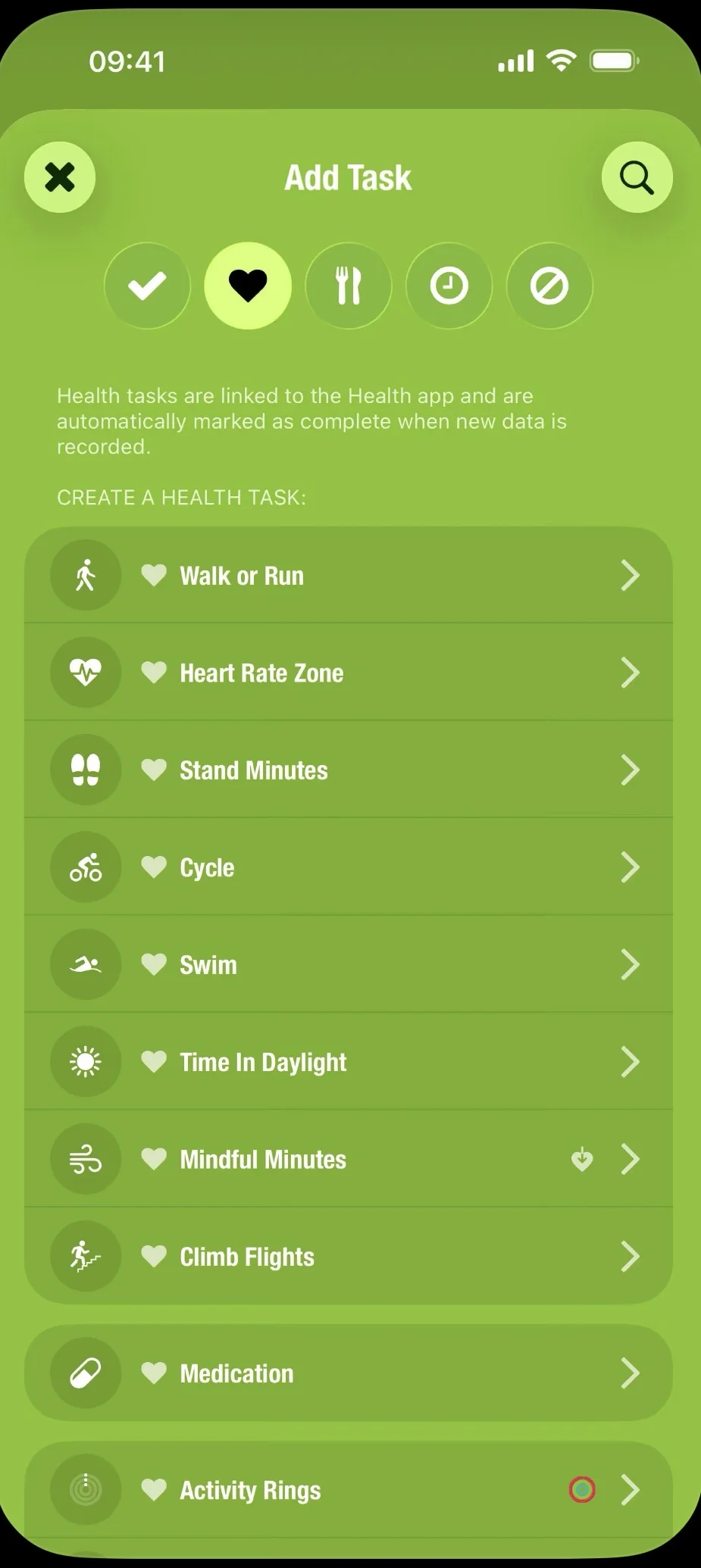
You own an Apple Watch and live in the complication. Streaks' Apple Watch integration is among the best in the App Store, and if you drive your day from your wrist, that matters.
There is also the pricing angle. $5.99 once is cheaper than $4.99 per month over time, so for anyone certain they will use the tracker for years, the one-time price wins on long-term cost. And if the unbroken chain genuinely motivates you, that seals it. The chain is effective for people who respond to the aesthetic and irrelevant to people who do not. Streaks bets its whole design on that single mechanism.
When to pick Habit Doom
Habit Doom is the right choice in a different set of situations.
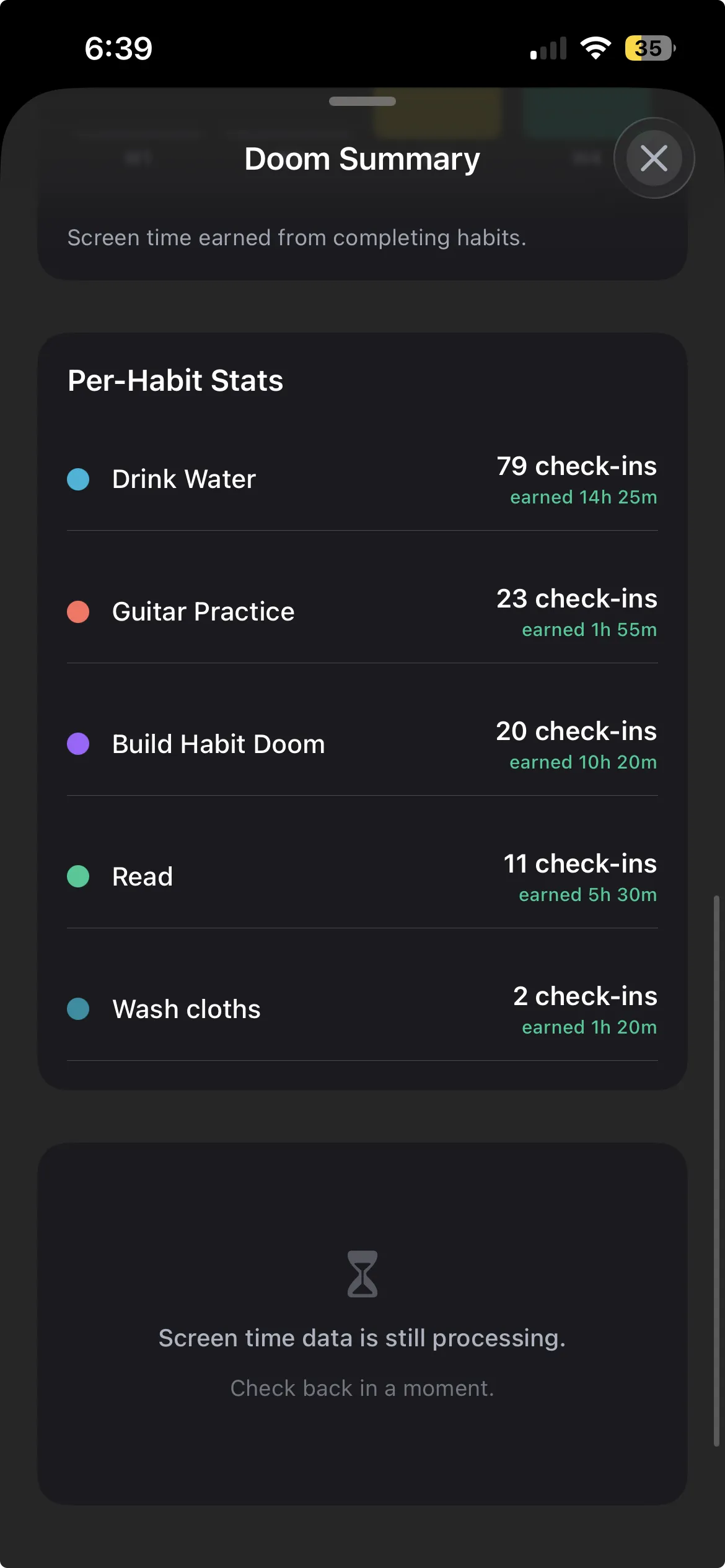
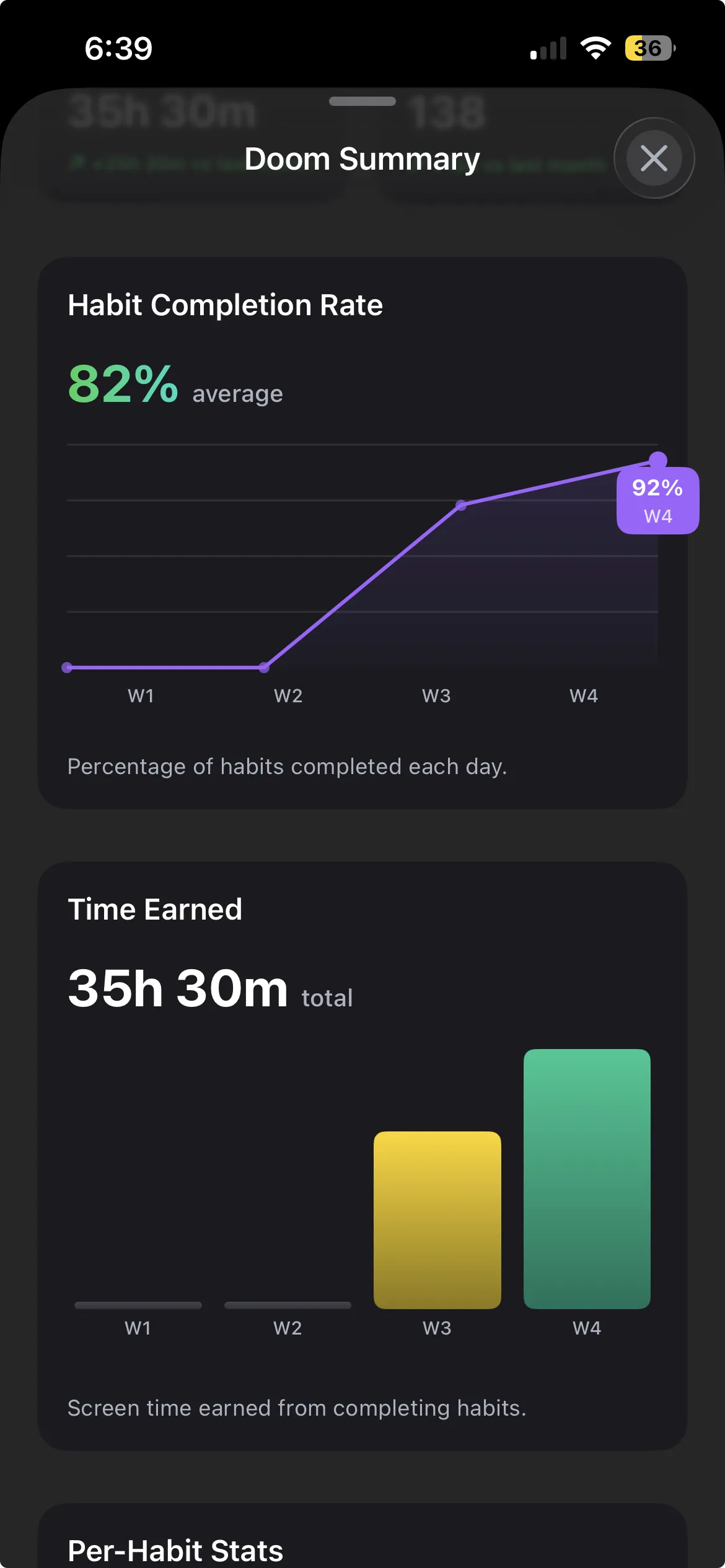
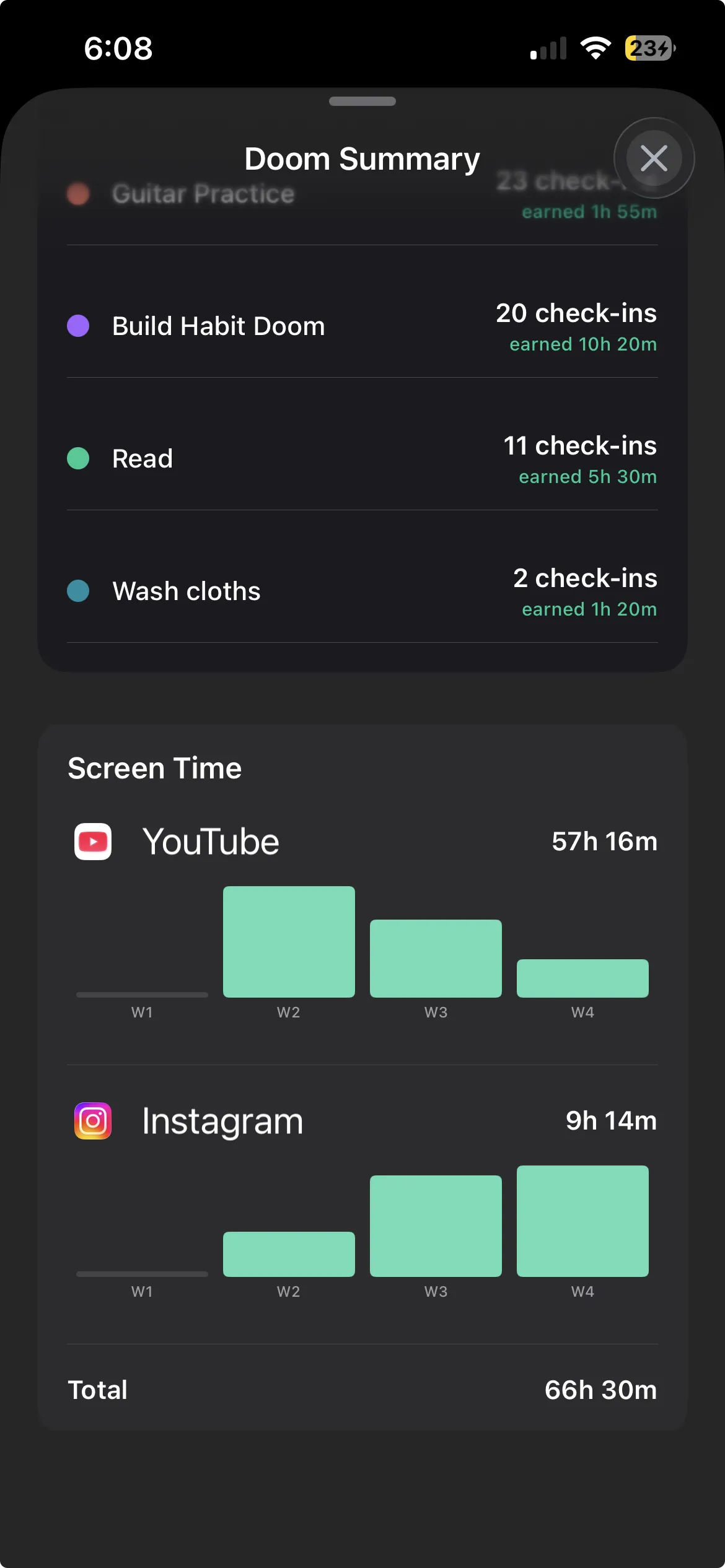
Your habits keep losing to your phone. This is the key qualifier. Habit Doom is built for the case where your reading habit competes with Instagram, your workout with TikTok, your journaling with X. The lock removes the competition, and the habit gets done because the phone is boring until it does.
You want to try before paying. The free tier covers full habit tracking and full app blocking, so you can run it for weeks before deciding whether premium is worth $4.99 a month or $29.99 lifetime. Streaks does not offer that. Its $5.99 is the entry price with no trial.
You run more than 12 habits. Habit Doom has no cap, so you can track finance, fitness, journaling, learning, social, and self-care in parallel without consolidating.
You broke a Streaks streak and walked away. This pattern is common. The reset-to-zero mechanic that drove engagement becomes the abandonment trigger, and Habit Doom's daily reset avoids it. Someone who quit Streaks at day 51 can rebuild here without the compound penalty.
You want enforcement that does not lean on willpower. This is the single largest structural difference. Streaks asks you to choose discipline at the exact moment you are weakest. Habit Doom moves that choice earlier: you set the rules once, and the iOS lock enforces them for you from then on.
The honest cases where Streaks wins
Habit Doom is not strictly better than Streaks. The framing of "newer app beats older app" misrepresents the trade-offs.
Visual polish. Streaks looks better. The animation work is more refined. The widget design is more considered. Habit Doom prioritizes function over polish. Users who care deeply about the look of their home screen will notice the difference.
Mature feature set. Streaks has eight years of refinement. The HealthKit integration covers many habit types out of the box. The Apple Watch complication is mature. Habit Doom is newer and continues to add features. For users who want everything available from day one, Streaks wins.
Single-purpose simplicity. Streaks is a habit tracker and nothing else. Habit Doom is a habit tracker plus an app blocker. Users who specifically do not want the blocking layer find Habit Doom's blocking screens to be feature noise they did not ask for.
Long-term cost certainty. $5.99 once is a known cost. Habit Doom's subscription model creates ongoing decision points. The lifetime option ($29.99) addresses this for users willing to pay upfront, but the lower monthly tier ($4.99) requires more attention to billing.
The honest cases where Habit Doom wins
The structural advantages favor Habit Doom in specific scenarios.
The phone is the obstacle. This is the dominant case in 2026. Your reading, workout, or journaling habit keeps losing to Instagram, TikTok, or YouTube. Streaks cannot help with that; Habit Doom is designed for exactly it.
You bounced off Streaks once already. Building and breaking a Streaks chain and then walking away tells you something: the chain mechanic does not survive your failure mode. A tracker with a daily reset and a forcing function chases the same goal with a more durable system.
You track more than 12 habits. Streaks simply will not hold that many. Habit Doom removes the cap.
You want to test before you pay. Habit Doom's free tier is more usable than most paid trackers' premium versions, and the $5.99 Streaks paywall is a known barrier if you just want to try it.
How to decide
Here is the rule that fits most people.
If you have strong existing discipline, own an Apple Watch, and want a clean logbook for habits you already do reliably, install Streaks. The $5.99 is well spent, and the visual chain reinforces behavior you are already doing.
If your habits compete with your phone, you want to try before paying, you run more than 12 habits, or you already abandoned Streaks once after a missed day, install Habit Doom. The free tier is your test, and the iOS-level enforcement is the structural fix Streaks cannot offer.
Both apps are honest about what they are. Streaks is a habit logbook. Habit Doom is a habit-and-block system. Which one you need comes down to whether you want the logbook or the system. For the broader habit tracker survey see the best habit tracker comparison. For more context on Streaks alternatives see the Streaks alternatives breakdown.
Frequently Asked Questions
Keep Reading
Try Habit Doom
Lock your distracting apps. Complete your habits. Earn your screen time. It takes 30 seconds to set up.
Download Free